
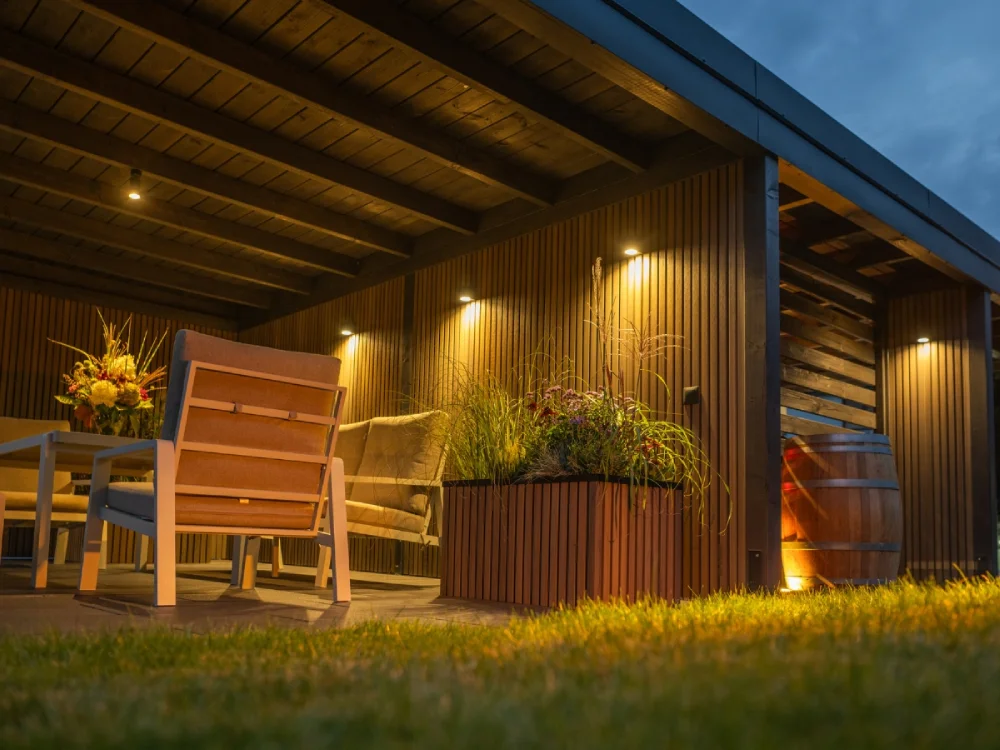
Light up Waukesha Events Without Last‑Minute Headaches
Strong lighting can make a Waukesha event feel warm, welcoming, and polished. But if the power trips in the middle of a toast or a path goes dark, people remember that too. The look and the logistics have to work together.
Outdoor weddings, neighborhood block parties, graduations, and company events all rely on safe, steady power. When permits, circuits, and safety are not planned, you can end up with blackouts, fire risks, or a visit from an inspector at the worst time. That is why clear planning for permits, power, and protection needs to sit right beside your décor ideas and vendor list.
At Rocket Lighting, we design and install outdoor and event lighting across Southeast Wisconsin. We see how local rules, weather, and venue limits affect real events every week. This checklist is built to help you think through the details for event lighting in Waukesha so your night shines from the first guest arrival to the final song.
Permits and Approvals That Keep Your Event Legal
Before you plug in a single cord, you need to know who has to approve your plan. Some smaller private events on your own property may not need permits, but many larger setups do.
Permits or approvals often come into play when you have:
- Large public gatherings in parks or downtown areas
- Street or lane closures for block parties or festivals
- Tents, stages, or other temporary structures
- High wattage lighting or sound systems
- Generator-powered setups for remote spaces
In Waukesha, rules can differ depending on where you are:
- City of Waukesha: Often involved for events in city parks, downtown, or streets
- Waukesha County: May oversee county parks and certain public locations
- Private venues: Usually have their own rules, required vendors, and insurance needs
Officials commonly want to see:
- A simple site plan that shows tents, stages, and guest areas
- A power plan that notes where generators or panels are and how power is shared
- Clear emergency access routes for fire and medical crews
Here is a permit and approval checklist to review with your venue:
- Confirm who is responsible for permits, you or the venue
- Ask if a temporary electrical permit is needed for your layout
- Check noise rules and quiet hours if you plan to use generators or loud sound
- Ask about rules for attaching lights to buildings, trees, fences, or rental tents
- Confirm insurance requirements for all vendors on site
It helps to fold permit timing into your main event schedule. Aim to finalize your lighting design and power plan several weeks before peak summer dates, when offices and inspectors are often the busiest.
Choosing Between Generators and House Power
One big decision is where your power will come from. The right choice depends on how close you are to a building, how much gear you have, and how long the event will run.
House power is usually best when:
- You are indoors or just outside a building with a modern electrical panel
- Outlets are close to where you need lighting
- You are hosting a smaller gathering with modest lighting and a simple sound system
Even with house power, a professional should confirm:
- How many circuits are free to use
- The size of those circuits
- Which outlets are on which breakers
Generators make more sense when:
- You are in a field, park, or parking lot away from buildings
- You have a tented event with a band, caterer, and lots of décor lighting
- Existing building power is already spoken for by the venue or kitchen
With generators, you need to think about:
- Fuel type and planned runtime
- Location so fumes and noise stay away from guests
- Noise during ceremonies, speeches, or performances
- Proper grounding and weather protection
In short:
- House power is quieter and simpler but limited by circuit size and outlet location
- Generators offer flexibility and backup options but need careful sizing, routing, and sometimes permits
A simple process to choose your power source is:
- Map your event layout and mark where lighting, DJ, catering, and other gear will sit
- List everything that needs power and its wattage
- Look at how far those spots are from panels or likely generator locations
- Review your plan with a lighting specialist who knows local venues and rules
Safety First with GFCI, Cables, and Wet Weather
Outdoor and tent lighting bring water and people into the same space as electricity. That is where GFCI protection comes in. A GFCI, or Ground Fault Circuit Interrupter, is designed to shut power quickly if it senses electricity flowing where it should not, like through water or a person. It is a key layer of safety for outdoor outlets, especially during spring and summer rain.
Many newer outdoor outlets already have GFCI built in, with test and reset buttons on the cover. Older homes or venues may not. A pro can test and add GFCI protection where needed so your event is not relying on guesswork.
Cable management is another big piece of safety and guest comfort:
- Route cords along edges, fence lines, or behind décor whenever possible
- Use cable ramps or covers where cords cross walkways
- Tape or otherwise secure cables in pedestrian areas
- Keep all plugs and connections off the ground, not sitting in grass or on pavement
- Label key runs by circuit so you know what is on each breaker
Water and weather planning should cover:
- Outdoor-rated extension cords, plugs, and fixtures
- Elevated or sealed connections, especially near grass or gravel
- Power distribution placed away from puddles, sprinklers, and low spots
- Backup plans for heavy dew, rain, or sudden storms that are common in this area
Build a pre-event inspection into your schedule: walk the site in daylight and again in lower light, test GFCI outlets, follow each cable path, and make sure fire exits and emergency routes are open. Assign one person or team to watch power and conditions during the event so problems are caught early.
Load Calculations That Prevent Blackouts
Even the best lights and cables will not help if you overload a circuit or generator. That is where load calculations come in. It is simply the process of adding up how much power every item will draw and spreading that across your available circuits.
Here is a basic way to handle it:
- List every piece of powered equipment, lights, DJ and band gear, caterer warmers, heaters, photo booth, and more
- Note the voltage and wattage for each item
- Use the simple formula: Amps = Watts ÷ Volts
- Group items by which circuit or generator outlet they will use
Common mistakes include:
- Putting all decorative lights plus the DJ on one 15-amp circuit
- Plugging multiple high draw items into the same small generator
- Forgetting about hidden loads like chargers, signs, or extra rental gear added late
A safe rule is to plan to use no more than about 80 percent of a circuit or generator’s rating. That buffer helps avoid nuisance trips when equipment first starts up or when the temperature changes. Spread high-draw items like heaters, catering gear, and big sound systems across different circuits from your lighting whenever you can.
At Rocket Lighting, we design event plans with these calculations built in. We model the expected loads, balance circuits, and stage testing so the big moments, like a first dance or fireworks countdown, are not ruined by a sudden blackout.
Turn Your Lighting Plan Into a Seamless Event Experience
Turning a lighting idea into a smooth event means treating logistics as part of the design, not an afterthought. As your Waukesha date approaches, walk through a simple checklist: confirm permit timelines, decide between generators and house power, verify GFCI coverage, map cable routes, and lock in your load calculations.
Professional help can remove a lot of the stress from that process. Our team at Rocket Lighting works on outdoor and event lighting across Waukesha and Southeast Wisconsin, from intimate backyard parties to larger community gatherings. When power, safety, and design are planned together, your guests see only what you want them to see: a beautiful, well-lit event that feels effortless from start to finish.
Transform Your Next Waukesha Event With Professional Lighting
From intimate gatherings to large corporate functions, we design lighting that makes your venue look and feel exceptional. Explore our tailored event lighting in Waukesha solutions to see how Rocket Lighting can support your vision. If you are ready to discuss your timeline, budget, and goals, contact us so we can start planning the right setup for your event.