
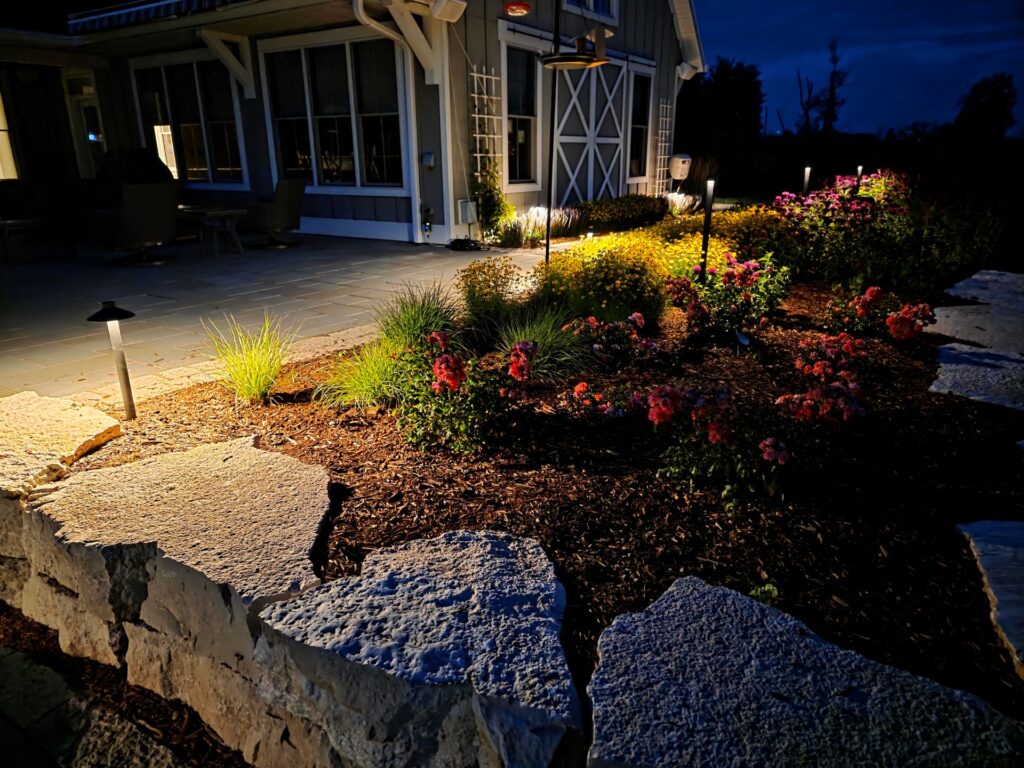
Light Up Fall Evenings on Your New Patio
Outdoor lighting in Southeast Wisconsin is not just about seeing where you are going. It is about turning your new patio into a place you actually want to use on cool evenings, not just on bright summer afternoons. With the right lighting plan, that space feels warm, welcoming, and safe even when the sun dips early.
Thoughtful lighting keeps dark corners, harsh glare, and tripping hazards from ruining the mood. It also helps your home look cared for from the street and can guide guests safely from the driveway to the back patio. In this article, we will walk through how to plan your lighting layers, think about our local seasons, avoid common DIY headaches, and where a professional team like ours fits into the process.
Start with How You Will Actually Use Your Patio
Before choosing any fixtures, it helps to think about what really happens on your patio. Different activities need different kinds of light, and guessing later often leads to odd bright spots and shadows.
Common zones around a new patio might include:
- Dining space
- Grilling or outdoor kitchen
- Lounge seating or conversation area
- Fire pit or hot tub
- Kids play area
- Steps, pathways, and edges
A dining table usually needs gentle, even light so you can see food and faces without feeling like you are under a spotlight. A grill area needs more focused, brighter task light so you can actually see what you are cooking. Lounge areas feel better with softer, warmer light that supports talking and relaxing.
Safety is always part of the plan, especially with Wisconsin freeze-thaw cycles that can affect surfaces. Steps, level changes, and patio edges should be clearly lit so no one has to guess where the ground ends. The goal is to mark these areas with low, directed light that does not shine right into anyone’s eyes.
It also pays to think ahead. Even if you are not ready for a pergola, hot tub, or full outdoor kitchen right now, planning wiring paths and potential fixture locations early makes life easier later. When lighting is considered during patio design, you can:
- Add conduit under pavers before they are installed
- Leave power access where future structures might go
- Avoid tearing up new surfaces to fix missed spots
Designing Layers of Outdoor Lighting in Southeast Wisconsin
A patio feels most comfortable when light comes from several sources, not just one bright floodlight. We usually think in three layers: ambient, task, and accent.
Ambient lighting is your overall glow. This can come from:
- String or bistro lights over seating
- Downlights in a pergola or roof overhang
- Soft fixtures on nearby walls or posts
Task lighting is more focused. It helps with specific jobs like:
- Grill lighting so you can see the cooking surface
- Step and riser lights on stairs
- Counter or bar lights in an outdoor kitchen
Accent lighting adds character. It might highlight:
- Stone walls and pillars
- Trees, shrubs, or garden beds around the patio
- Water features or art pieces
In Southeast Wisconsin, daylight changes a lot through the year. Summer nights stay light longer, while fall and winter evenings arrive early. Dimmable fixtures and scene controls help you adjust light levels for different seasons and times of night. On long winter evenings, you may want things a bit brighter. On late summer nights, a softer glow may be enough.
It also helps to think beyond just the slab of the patio. When the rest of the yard is completely dark, a bright patio can feel like an island. Tying path lights, driveway lights, and a few landscape accents into the same plan makes the whole property feel connected and safe.
Planning for Wisconsin Weather, Seasons, and Holidays
Outdoor lighting in Southeast Wisconsin has to handle snow, ice, rain, and serious temperature swings. Not every fixture or connection is built for that. Using wet-rated fixtures, frost-resistant materials, and professional-grade wiring keeps lights working when the weather gets rough.
We pay close attention to:
- Proper mounting so fixtures stay solid through freeze-thaw cycles
- Weather-tight connections and junctions
- Placement where snow piles and ice will not bury or break fixtures
A well-planned patio lighting system should feel useful all year. In spring and summer it blends with landscape lighting so you can move easily from patio to yard. In fall it helps with early dusk and cooler nights. In winter, the snow reflects light, which can be very pretty but also brighter than expected, so fixture placement and dimming options matter.
Holiday and event lighting is another layer to consider. Permanent roofline lighting or planned mounting points near the patio let you change colors or add festive touches without dragging out extra cords or climbing ladders. When the structure is in place from the start, decorating for gatherings becomes much faster and safer.
Smart Controls and Energy Savvy Choices
For our climate, LED is almost always the best choice for outdoor lighting. LEDs handle cold weather well, stay efficient during long winter nights, and need very little maintenance. That means less time messing with burnt-out bulbs in the snow.
Controls are a big part of making a patio lighting system feel easy to live with. Thoughtful options include:
- Astronomical timers that adjust to sunrise and sunset automatically
- Motion sensors on side paths or low-traffic areas
- App-based or smart home controls to change scenes and brightness
With smart controls, you can set scenes like “dinner,” “late night,” or “full yard,” then adjust brightness from inside when the weather is rough. You get the right light when you need it, without having everything blazing all evening.
It is also important to be kind to neighbors and the night sky. Shielded fixtures that direct light down, warmer color temperatures, and careful aiming help keep light where it belongs. This makes the patio feel private and cozy instead of harsh and glaring.
When to Bring in a Pro and Make Your Patio Shine
The best time to think about lighting is while you are planning or building the patio, not after the pavers are sealed and the concrete is cured. When we work with patio contractors early, we can plan conduit runs, junction box locations, and fixture spots so the whole setup looks clean and intentional.
A professional lighting designer is especially helpful when you have:
- Multi-level patios or decks
- Steep or uneven yards
- Extensive landscaping around the patio
- Lakefront or water views that you do not want to spoil with glare
During a design consultation, we typically walk the space, talk through how you want to use it, and look at existing yard lighting. From there, we suggest fixture styles, layout options, and control setups that fit your home and daily life. Installations are planned around your patio schedule and local weather so everything is ready before the ground gets too cold.
When outdoor lighting in Southeast Wisconsin is planned with purpose, your new patio stops being a short-season feature and turns into a three-season favorite. By thinking through how you will use the space, layering different types of light, choosing weather-ready materials, and using smart controls, you get a patio that feels comfortable, safe, and beautiful from the first warm evenings of the year to the last crisp nights before the snow flies.
Transform Your Property With Expert Outdoor Lighting Today
If you are ready to enhance safety, curb appeal, and nighttime visibility, our team at Rocket Lighting is here to help design and install the right solution for your property. Explore how our tailored outdoor lighting in Southeast Wisconsin can support your goals, from energy efficiency to long-term reliability. We will walk you through options, answer your questions, and recommend a lighting plan that fits your budget. To discuss your specific project and schedule a consultation, please contact us today.