
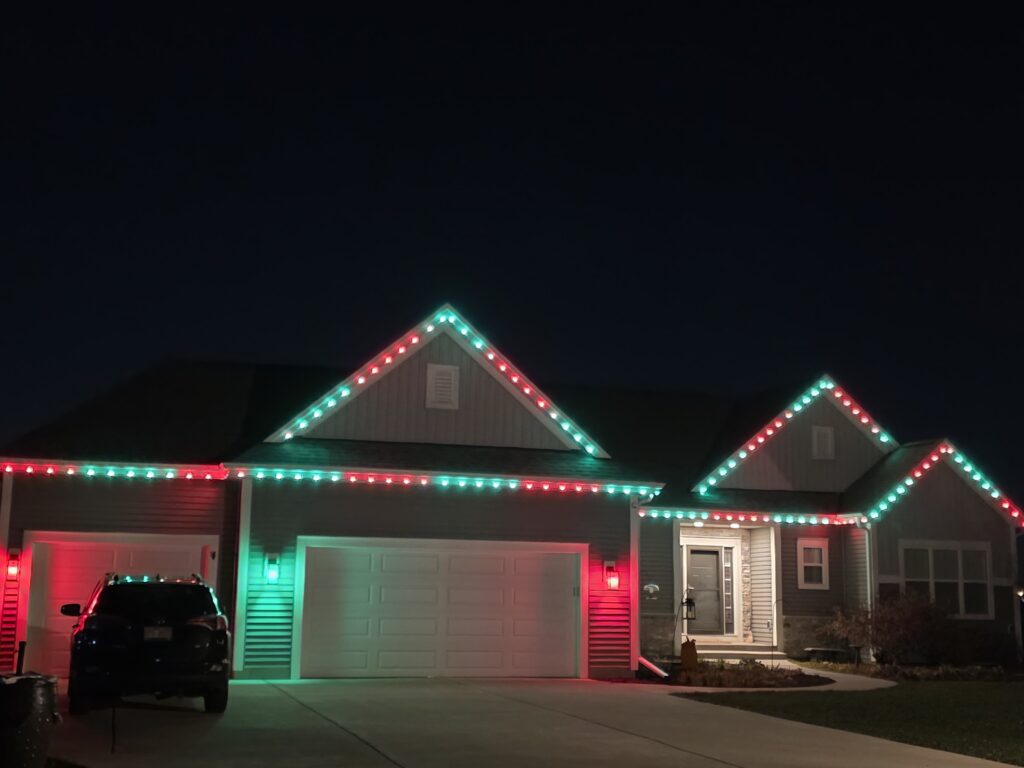
Make Milwaukee Nights Shine Even When Storms Roll In
Outdoor lighting brings your yard, patio, or storefront to life at night. It makes it easier to relax outside, welcome guests, and enjoy your space, even when the sun goes down. In Milwaukee, that matters a lot in summer, when warm evenings are precious and everyone wants to be outside as long as possible.
Summer here also comes with quick, strong storms. Thunder, lightning, and heavy rain can move in fast and ruin your outdoor plans. They can also affect when it makes sense to plan outdoor lighting installation in Milwaukee. In this article, we will walk through how storms impact projects, how to plan smart around the weather, and what to expect from a professional outdoor lighting team so your system looks great and holds up through rough weather.
How Summer Storms Impact Outdoor Lighting Projects
Milwaukee summers are warm and humid, with stretches of calm nights broken up by powerful storms. From June through August, it is common to see:
- Fast-moving thunderstorms
- Heavy downpours and strong winds
- Sudden changes between sun and rain
- Short windows of dry weather between storm cells
Those patterns can cause trouble if work is scheduled at the wrong time. A good lighting contractor will never install wiring or fixtures during an active storm. There are real safety issues with electricity, wet ground, and metal tools. Lightning in the area means crews must stop, even if the rain looks light.
Very wet, saturated ground also creates quality problems, like:
- Trenches that collapse or do not stay at the right depth
- Footprints and ruts that damage lawns and beds
- Fixtures that lean or shift once the soil dries
- Mud collecting around path lights and well lights
Weather like this can push projects by a few days or more, especially when several stormy days line up in the same week. That is even more common around big summer dates like the Fourth of July or peak backyard party season, when many people want outdoor lighting installation in Milwaukee at the same time. The demand is high, yet the weather windows can be small, so schedules need some give.
Choosing the Best Time Window for Installation
You cannot control the weather, but you can pick a time frame that gives your project a better chance of smooth progress. In our area, many property owners find it helpful to aim for:
- Late spring through early summer, once the ground has thawed and dried
- Early summer before the most frequent storms show up
- The period after a strong storm pattern has passed, when forecasts look calmer
Those times are often good for bigger projects that require trenching, new wiring runs, or lots of fixture placement. Drier ground is easier to work with and kinder to your lawn and landscaping.
If you are planning lighting around a key date, like:
- Graduation parties
- Backyard weddings or rehearsal dinners
- Outdoor business events or promotions
- Family reunions and large cookouts
it helps to build in some buffer days. Instead of planning installation the same week as your event, try to give at least a little breathing room. That way a stormy day or two does not mean you are trying to rush final work while guests are arriving.
The type of project also matters. Some kinds of work can handle more weather risk, such as:
- Replacing a few existing fixtures
- Adjusting or re-aiming current lights
- Simple transformer or control upgrades
Other projects really benefit from steady dry conditions, for example:
- New wiring that needs trenching or boring
- Lighting around new patios, walks, or walls
- Large landscape lighting designs with many fixtures
Planning timing around both your event schedule and the project scope can save a lot of stress.
Weather-Smart Strategies Professional Installers Use
Professional outdoor lighting companies that work in Milwaukee every day pay close attention to local weather. At Rocket Lighting, we spend a lot of time checking radar, short-term forecasts, and expected storm tracks. That helps us decide:
- Which projects to schedule on which days
- How many crew members to assign
- What tools and materials to stage for each job
We also like to break projects into clear phases, instead of trying to do everything in one long stretch. Common phases can include:
- Design walk-through and planning
- Infrastructure work like trenching and placing wiring
- Fixture placement, wiring connections, and aiming
- Nighttime fine-tuning and adjustments
If a storm cuts off one part of the work, another piece might still be able to move forward before or after the bad weather. For example, a design meeting can still happen under cover on a rainy day, and aiming or final checks can happen later when the ground has settled.
During installation, we pay special attention to making systems storm-ready. That includes using outdoor-rated parts and building details into the design such as:
- Correct burial depth and protection for wiring
- Sealed, weather-resistant connections
- Placement that avoids ongoing water pooling
- Surge protection to reduce the impact of lightning on the system
These choices help your lighting hold up when Milwaukee storms bring heavy rain and frequent lightning activity.
Protecting Your Lighting Investment Before and After Storms
Good planning during installation is only one side of the story. Simple habits before and after storms also help keep your lighting system in good shape.
Before a storm rolls in, it is smart to:
- Clear loose branches, toys, or decor away from fixtures
- Check that path lights and spotlights are not already leaning
- Make sure you know where your transformer and control box are located
- Trim plants that are brushing directly on fixtures, if needed
After a major storm, a quick walk around your yard or property is often enough to spot problems:
- Fixtures knocked over or turned in strange directions
- Wires that appear exposed at the surface
- New low spots where water is pooling near lights
- GFCI outlets that have tripped and cut power to your system
If something seems off, a professional inspection is usually the safest option. Outdoor lighting uses low-voltage systems, but there is still a risk of damage or shock if you are not sure what you are looking at.
Over time, Wisconsin weather puts any outdoor system to the test. Summer storms give way to freeze-thaw cycles, snow piles, and shifting soil. Plants grow, get trimmed, and sometimes are replaced. A well-designed system, professional installation, and regular maintenance visits help your lighting adapt to those changes. With that kind of support, your outdoor lighting can keep working and looking great, through storm seasons and calm nights alike.
Secure Your Summer Lighting Date Before Storm Season Peaks
If you want your outdoor lighting ready for the heart of summer, it pays to think a step ahead of the storms. Planning early gives you a better choice of dates, more room for weather delays, and time to fine-tune your design before big events.
During the planning process, it also helps to talk through a weather backup plan. That might include alternate work days, phasing the project so key areas are finished first, or leaving space in the schedule for a dedicated nighttime adjustment visit after the ground settles. With thoughtful timing and weather-smart practices, you can enjoy reliable outdoor lighting installation in Milwaukee that keeps shining through summer storms and beyond.
Get Started With Your Project Today
If you are ready to upgrade your property with professional outdoor lighting installation in Milwaukee, our team at Rocket Lighting is here to help. We listen to your goals, assess your space, and design a solution that improves safety, visibility, and curb appeal. Tell us about your project timeline and budget so we can recommend the best options. To schedule a consultation or request a quote, simply contact us.