
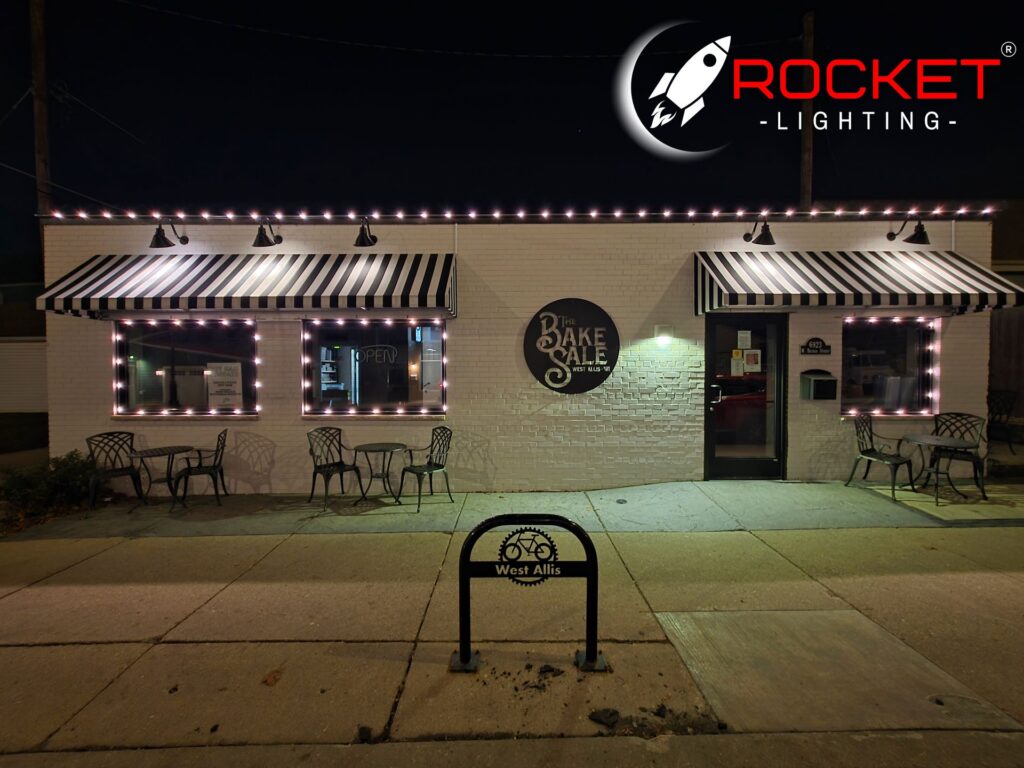
Lighting That Draws Customers in Every Night
Outdoor lighting can make the difference between a shop people walk past and a shop they walk into. Many Milwaukee small shop owners put their energy into products, service, and decor inside, then find that their storefront almost disappears once the sun goes down. That hurts foot traffic on bright summer nights and long winter evenings when people are still out but light is low.
Thoughtful outdoor lighting turns your storefront into a clear, welcoming destination. It helps people see your sign from down the block, makes your entrance feel safe, and gives your windows that warm glow that invites browsing. Good lighting is not just decoration; it is part of how you present your brand, manage security, and support sales.
Outdoor lighting installation in Milwaukee also has its own set of challenges. We deal with big swings in daylight hours, cold snaps, storms off the lake, and plenty of snow. That is why a professional approach matters so much. The design has to look good, but the fixtures, wiring, and layout have to stand up to the weather and stay neat and durable on a small storefront.
Understanding Your Shop’s Nighttime Story
Your shop has a daytime look and a nighttime look, and both send a message about your brand. Your “nighttime brand” is how your place feels from the sidewalk after dark. People judge whether it feels warm or cold, open or closed, safe or a little too quiet, all in a few seconds.
For most small shops, there are a few key zones to think about:
- Signage
- Entrance and doorway
- Window displays
- Architectural details like brick, trim, or columns
- Any outdoor seating or sidewalk displays
Each of these zones can be lit in a different way. Ambient lighting gives a soft overall glow around the storefront. Accent lighting draws the eye to your sign, your best products in the window, or that great brick arch over your door. Task lighting helps with clear visibility at the handle, lock, card reader, or doorbell.
Layering these types of light helps guide people from the street to your door. For example, a softly lit sidewalk leads to a brighter, clearly marked entrance, with your sign and logo glowing just above. That path feels natural, even if someone did not plan to stop in.
Milwaukee’s changing seasons also shape your plan. In summer, late sunsets mean your lights may not kick on until later, but you still want your sign and entrance glowing for evening shoppers. In fall and winter, it is dark much earlier, so your schedule, brightness levels, and placements need to work for longer hours and deeper shadows. Many small shops get the most impact by starting with:
- Sign lighting that reads well from the street
- Clear, bright but not harsh entrance lighting
- One or two accent lights on window displays
Smart Design Principles for Small Shop Exteriors
Small storefronts can easily end up overlit or underlit. Good design finds the sweet spot where your shop stands out without blinding people walking past or shining into nearby windows.
A few smart design moves for compact shops include:
- Aiming fixtures carefully to avoid glare into eyes or traffic
- Shielding lights so they do not spill into upper-floor apartments
- Using softer, indirect light under canopies and awnings
Canopies, awnings, and overhangs are great places to mount fixtures. Lights tucked up under an awning can gently wash your doorway and sidewalk, making it easy to see steps, thresholds, and door hardware. Clean, even light here matters a lot, both for comfort and safety.
Color temperature also changes the mood. Warmer white light tends to feel cozy and welcoming, good for boutiques, cafes, and small neighborhood shops. Cooler white light can feel crisper and can make certain brand colors and modern signs pop. We often match the light color to:
- Your brand colors and logo style
- The materials on your building, like brick or glass
- The feel of the block, whether historic, artsy, or modern
Proportion and scale matter too. A huge fixture on a narrow brick storefront can look awkward. Too-tiny lights on a tall glass facade can get lost. Choosing fixtures that respect the size and style of your building keeps the whole look balanced and professional.
Outdoor Lighting Installation in Milwaukee Done Right
Design is only half the story. Outdoor lighting installation in Milwaukee has to deal with freeze-thaw cycles, lake-effect moisture, road salt, and heavy snow. All of these can be rough on cheap fixtures and exposed wiring.
Professional installation for small commercial properties usually focuses on:
- Low-voltage systems for safety and efficiency
- Cleanly hidden wiring that does not clutter your facade
- Secure mounting on brick, stone, or siding
- Electrical work that follows local codes and best practices
Using commercial-grade, weather-rated fixtures helps your system keep working through slush, ice, and summer rain. Sealed connections, proper junction boxes, and smart placement can prevent a lot of problems down the road, like shorts or corrosion.
Different Milwaukee districts and building types also have their own needs. Historic storefronts might call for discreet fixtures that do not compete with original details. More modern spaces might use sleeker fixtures and bolder lighting accents. A thoughtful plan ties performance and style together, so you get a polished look without loose wires, awkward brackets, or random lights that feel out of place.
Seasonal and Holiday Lighting That Sells, Not Distracts
Seasonal and holiday lighting can add a lot of charm when it works with your permanent setup instead of fighting it. The base layer is your year-round lighting: signs, entrances, windows, and building highlights. On top of that, you can add:
- Summer string lights over a small patio or along a railing
- Soft fall accent lighting on planters or displays near the door
- Simple outlines around windows or doorways during holiday seasons
The goal is to create excitement without turning your storefront into clutter. A few well-placed accents often look better than a tangle of cords and random lights. Spotlighting a seasonal window display, framing your main entrance, or adding a gentle wash of color can all feel special and still on brand.
In our weather, safety and reliability matter a lot. Temporary cords, loose plug-in lights, and overloaded outlets can turn into tripping hazards or stop working when snow or ice hits. Professionally planned seasonal lighting uses proper mounting, outdoor-rated gear, and smart power management so everything works when you need it.
Working with a plan for the whole year also takes stress off your plate. When you think ahead about summer evenings, back-to-school events, and winter shopping nights, it becomes easier to refresh your look without starting from scratch every time.
Practical Planning, Budgets, and Maintenance
Most small shops need to think about priorities. A helpful way to plan is to start where lighting has the biggest day-to-day impact, then build from there as you grow.
First priorities usually include:
- Entryways, steps, and any changes in level
- Signage and address numbers
- Sidewalk areas where customers walk or line up
Once those feel solid, you can add ambience and accent lighting for architectural details, planters, or specialty window displays. A phased approach keeps the project manageable while still moving toward a complete, professional look.
Energy-efficient LED fixtures are standard for most new systems. They use less power than older options and reduce the hassle of frequent bulb changes. Timers and smart controls help you:
- Turn lights on and off at set times
- Adjust schedules as daylight hours change
- Keep key areas lit during cleaning or restocking
Basic maintenance is simple when the system is installed well. Most shop owners only need to:
- Wipe lenses so dirt and salt do not dim the light
- Check timers a few times a year, especially around seasonal time changes
- Have fixtures adjusted if signage or displays move
When the layout is designed with growth in mind, it is also easier to add new zones later. You might expand sign lighting, add fixtures for a new patio area, or bring extra focus to a second window. Planning that flexibility early helps your lighting keep up as your business changes.
Light Up Your Milwaukee Shop and Attract More Customers
Outdoor lighting installation in Milwaukee can quietly change how people see your shop. A well-planned system makes your storefront easy to find, comfortable to approach, and appealing to walk into, even on dark or chilly evenings. It supports safety, shows off your best features, and turns passing foot traffic into real visits.
A useful first step is to stand across the street from your shop at dusk or after dark. Notice where it feels too dim, where the eye is drawn, and where your brand could speak louder with just a bit more light. With a thoughtful plan and professional installation, your small shop can shine every night, in every season.
Get Started With Your Project Today
If you are ready to transform your property with professional lighting, we are here to help. Our team specializes in outdoor lighting installation in Milwaukee that is designed for long-term performance and safety. Tell Rocket Lighting about your goals and budget, and we will recommend a tailored solution and clear next steps. To schedule a consultation or ask questions, simply contact us.